

Home / Cross Cutting Themes
Our cross-cutting themes focus on the shared issues that affect the whole retrofit system. trst
These groups were created after our six working groups surfaced shared challenges and opportunities that cut across their individual remits. Rather than tackle these in isolation, we formed theme groups to provide a structure for coordinated action.
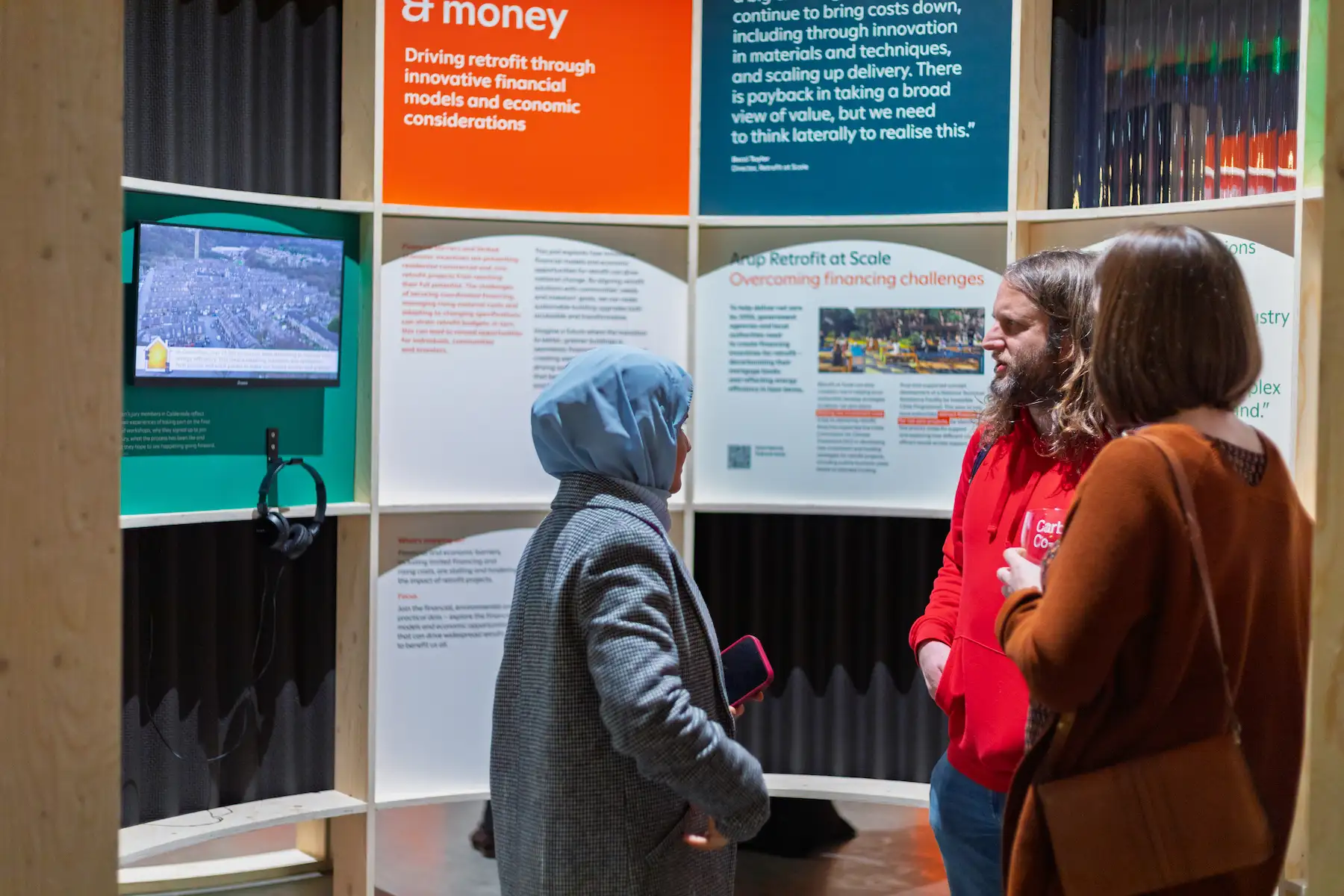

Community-led retrofit has the potential to build trust, strengthen engagement and deliver outcomes that reflect local priorities. When communities shape retrofit in their area, projects are often better understood and more likely to succeed.
The Community theme focuses on enabling this approach to operate at scale. The group is examining the policy, funding, governance and support systems needed to make community retrofit sustainable and replicable. It is developing evidence, practical tools and recommendations to strengthen long term system support.


Place-based retrofit responds to the specific needs, assets and challenges of an area. It recognises that buildings sit within streets, neighbourhoods and local economies, and that retrofit should reflect this wider context.
This group brings together research, case studies and practical tools to clarify what place-based retrofit means in practice. It is producing shared definitions and guidance to support more consistent uptake across the UK and help local partners design programmes that respond to local context.

Standardised methods and regulatory tools for assessing building performance shape how retrofit is funded, delivered and judged. Energy Performance Certificates (EPCs) are the tool that the government uses to set compliance, targets and eligibility, banks use for eligibility and reporting, and residents most commonly use to gather information on the performance of their homes.
The reform and development of EPCs and the engine that will sit behind them, the Home Energy Model, are crucial to improve how current systems reflect real performance and drive better outcomes. Regulations such as Minimum Energy Efficiency Standard, Awaab’s Law and the Decent Homes Standard will influence demand for retrofit, and performance levels that are achieved by social and privately rented homes.
This group focuses on ensuring that performance frameworks better reflect real world outcomes and support better delivery. It is engaging with reform proposals, responding to consultations and setting out practical recommendations to improve how performance is defined and reported, and high standards are set.
Retrofit delivers more than energy savings. It affects health, comfort, resilience and long term economic stability. Yet funding models often reflect only part of that picture.
This theme explores how financing mechanisms can recognise the full range of retrofit benefits and unlock greater investment. The group is examining funding models, identifying barriers and proposing approaches that link finance more closely to measurable outcomes.
Procurement decisions shape the quality and impact of retrofit. The way projects are commissioned can help drive and build local skills, SME participation, supply chains and long term performance.
This group considers how procurement frameworks and processes can be designed to strengthen the retrofit ecosystem, particularly considering the delivery of social value. It is reviewing existing practice and identifying tools and guidance that help commissioning teams support better outcomes through procurement.
Retrofit is often judged by operational energy savings, but materials and construction processes also carry carbon and affect long term durability. Often, for historic buildings, we already take a more considered approach to saving materials and specifying natural and low-carbon additions.
This group explores how we can learn from approaches taken within the historic building context, respect existing fabric, and reduce whole life carbon. It is examining how materials, sequencing and performance standards influence environmental impact and building longevity, and how these considerations can be better integrated into mainstream practice.
Community-led retrofit has the potential to build trust, strengthen engagement and deliver outcomes that reflect local priorities. When communities shape retrofit in their area, projects are often better understood and more likely to succeed.
The Community theme focuses on enabling this approach to operate at scale. The group is examining the policy, funding, governance and support systems needed to make community retrofit sustainable and replicable. It is developing evidence, practical tools and recommendations to strengthen long term system support.
Place-based retrofit responds to the specific needs, assets and challenges of an area. It recognises that buildings sit within streets, neighbourhoods and local economies, and that retrofit should reflect this wider context.
This group brings together research, case studies and practical tools to clarify what place-based retrofit means in practice. It is producing shared definitions and guidance to support more consistent uptake across the UK and help local partners design programmes that respond to local context.
Standardised methods and regulatory tools for assessing building performance shape how retrofit is funded, delivered and judged. Energy Performance Certificates (EPCs) are the tool that the government uses to set compliance, targets and eligibility, banks use for eligibility and reporting, and residents most commonly use to gather information on the performance of their homes.
The reform and development of EPCs and the engine that will sit behind them, the Home Energy Model, are crucial to improve how current systems reflect real performance and drive better outcomes. Regulations such as Minimum Energy Efficiency Standard, Awaab’s Law and the Decent Homes Standard will influence demand for retrofit, and performance levels that are achieved by social and privately rented homes.
This group focuses on ensuring that performance frameworks better reflect real world outcomes and support better delivery. It is engaging with reform proposals, responding to consultations and setting out practical recommendations to improve how performance is defined and reported, and high standards are set.
Retrofit delivers more than energy savings. It affects health, comfort, resilience and long term economic stability. Yet funding models often reflect only part of that picture.
This theme explores how financing mechanisms can recognise the full range of retrofit benefits and unlock greater investment. The group is examining funding models, identifying barriers and proposing approaches that link finance more closely to measurable outcomes.
Procurement decisions shape the quality and impact of retrofit. The way projects are commissioned can help drive and build local skills, SME participation, supply chains and long term performance.
This group considers how procurement frameworks and processes can be designed to strengthen the retrofit ecosystem, particularly considering the delivery of social value. It is reviewing existing practice and identifying tools and guidance that help commissioning teams support better outcomes through procurement.
Retrofit is often judged by operational energy savings, but materials and construction processes also carry carbon and affect long term durability. Often, for historic buildings, we already take a more considered approach to saving materials and specifying natural and low-carbon additions.
This group explores how we can learn from approaches taken within the historic building context, respect existing fabric, and reduce whole life carbon. It is examining how materials, sequencing and performance standards influence environmental impact and building longevity, and how these considerations can be better integrated into mainstream practice.




Our working groups focus on specific areas of retrofit, bringing people together to develop insight and practical solutions.
The cross-cutting themes sit alongside this work. They identify shared challenges that affect multiple groups and create a space to coordinate action across policy, funding and delivery.
Together, the working groups and cross cutting themes ensure that detailed expertise and system level issues are addressed in parallel.
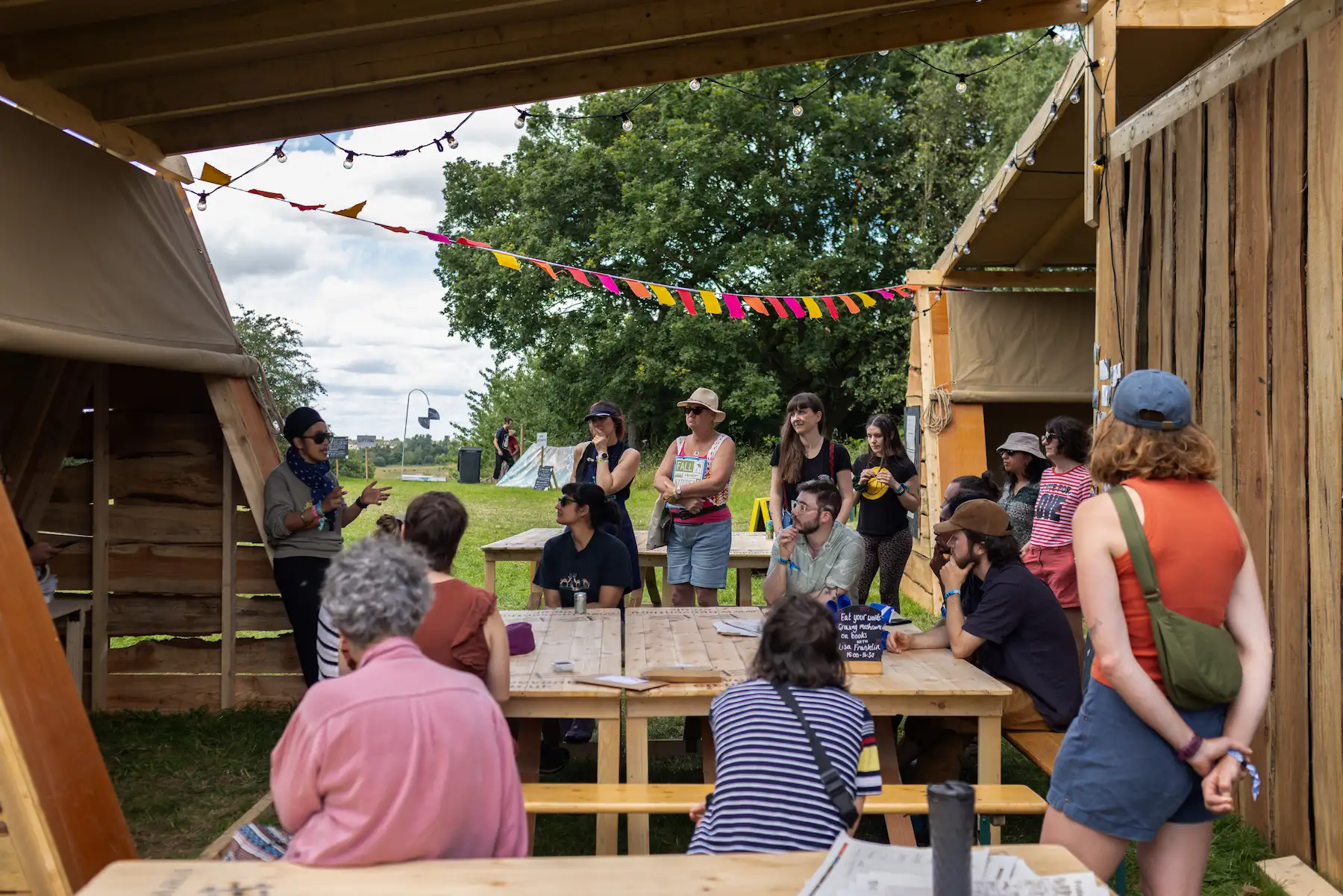

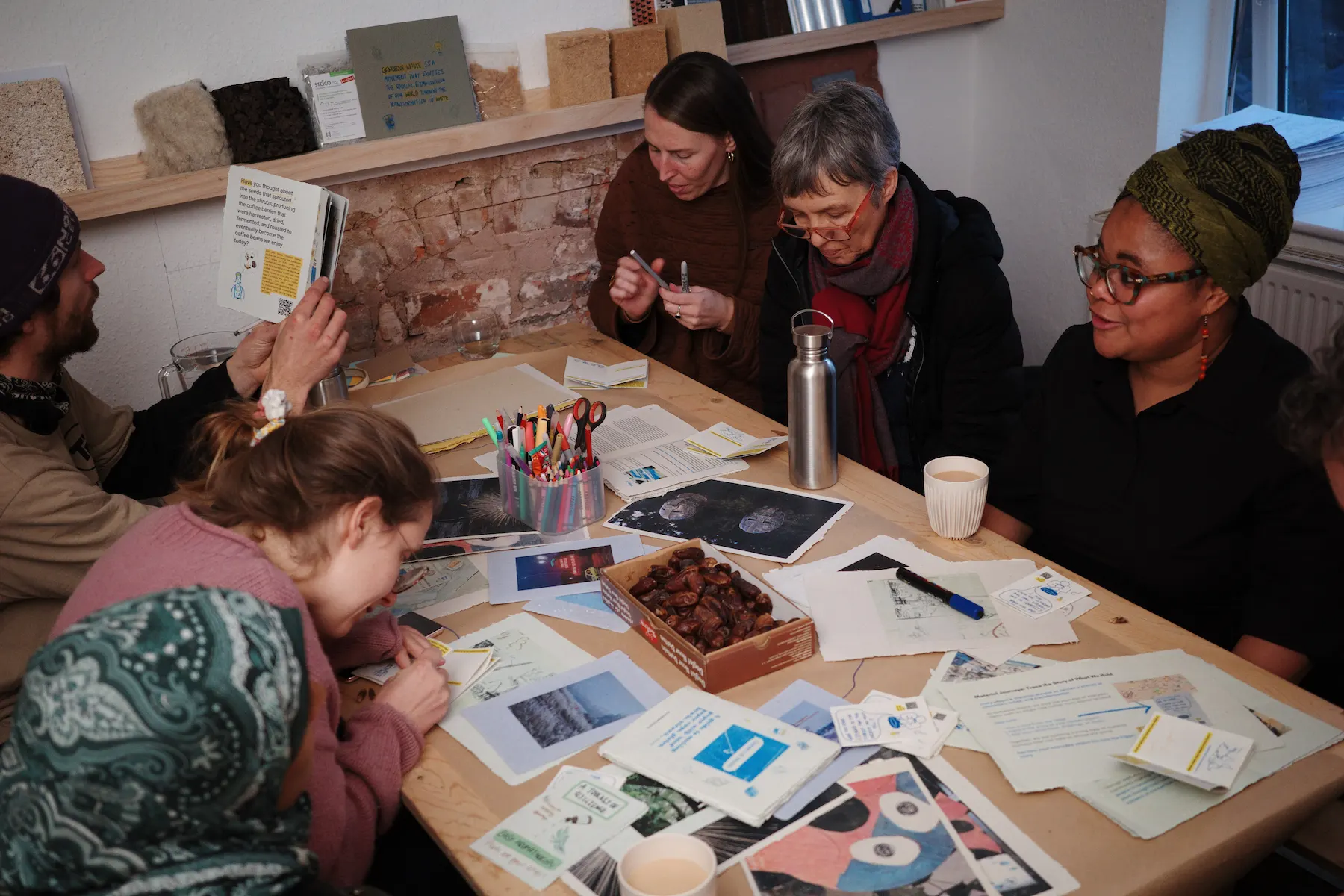
These groups bring together people who want to shape how retrofit is delivered across the UK.
If you want to contribute insight and help strengthen coordination across the system, we would welcome your involvement.