

Introduction by Sara Edmonds – Co-Director, National Retrofit Hub:
As part of our Retrofit Connect programme, spending days together visiting innovative community initiatives is a vital part of the learning. Though related to retrofit, the innovation in these communities is multi-stranded and multi-dimensional; and hard to capture in one single report or profile. What follows is the final story in a series of three blog pieces written by Talisa Denny, project coordinator in the NRH, which paint a picture of the beautiful complexity and deep roots of just some of these groups. Read on to hear about the places and people where real change is rooted and has the potential to be transformational beyond their boundaries, but learning for us all.
STORY NUMBER THREE | Granby 4 Streets, Toxteth
By Talisa Denny – Project Coordinator, National Retrofit Hub
RESISTANCE NOT RESILIENCE AT GRANBY 4 STREETS
Our last stop was Granby 4 Streets in the neighbourhood of Toxteth. Granby 4 Streets is a community land trust with a deep history of solidarity between neighbours. Tired of living amongst voided properties having witnessed decades of engineered neglect in response to the 1981 race riots, residents Eleanor and Hazel told us how they took 10 derelict homes on their street into community ownership. Things had changed when the group began guerilla gardening and organising a monthly street market. The renovation of the buildings by Assemble Studio, involved an extended residency by the architects – taking time to absorb and reflect the needs and desires of the community. The result was an enlivened neighbourhood, overflowing with care.
Too often communities are expected to play the good victim. Communities should not have to be passive; they should be empowered and celebrated for acting in favour of housing justice.
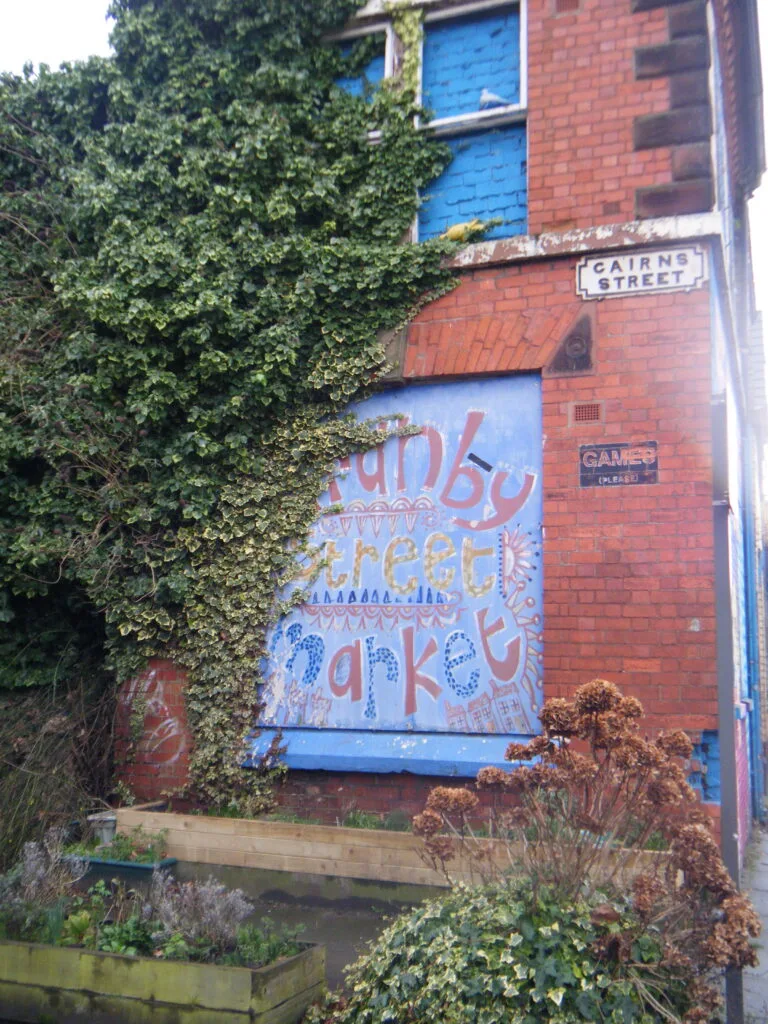
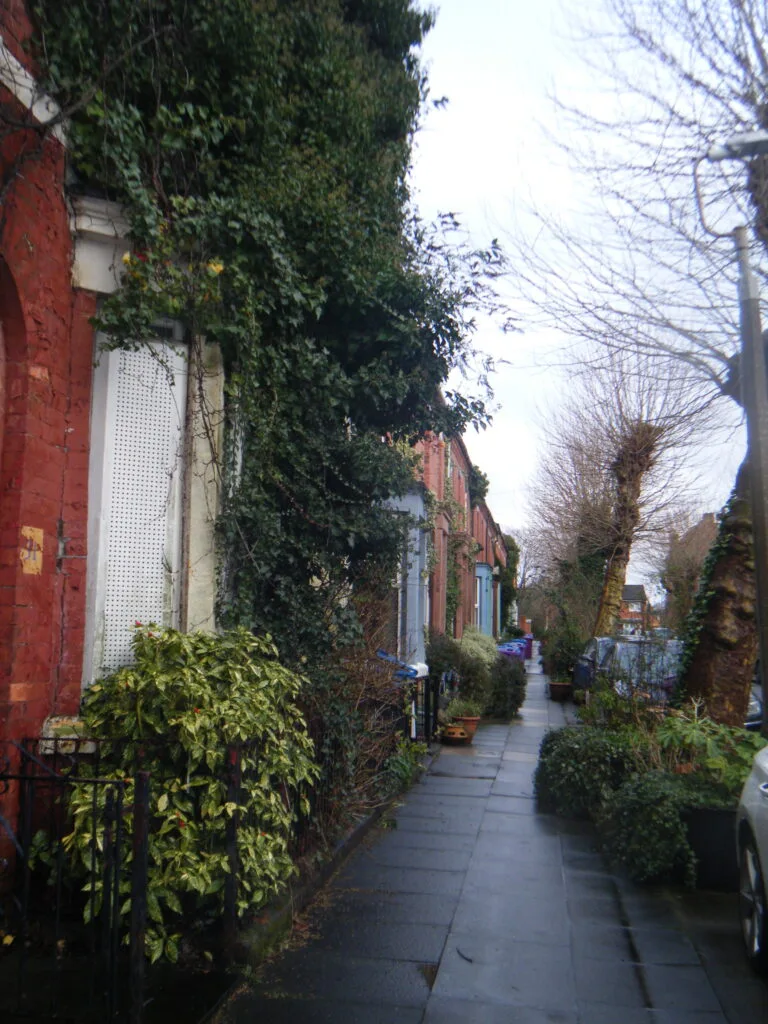
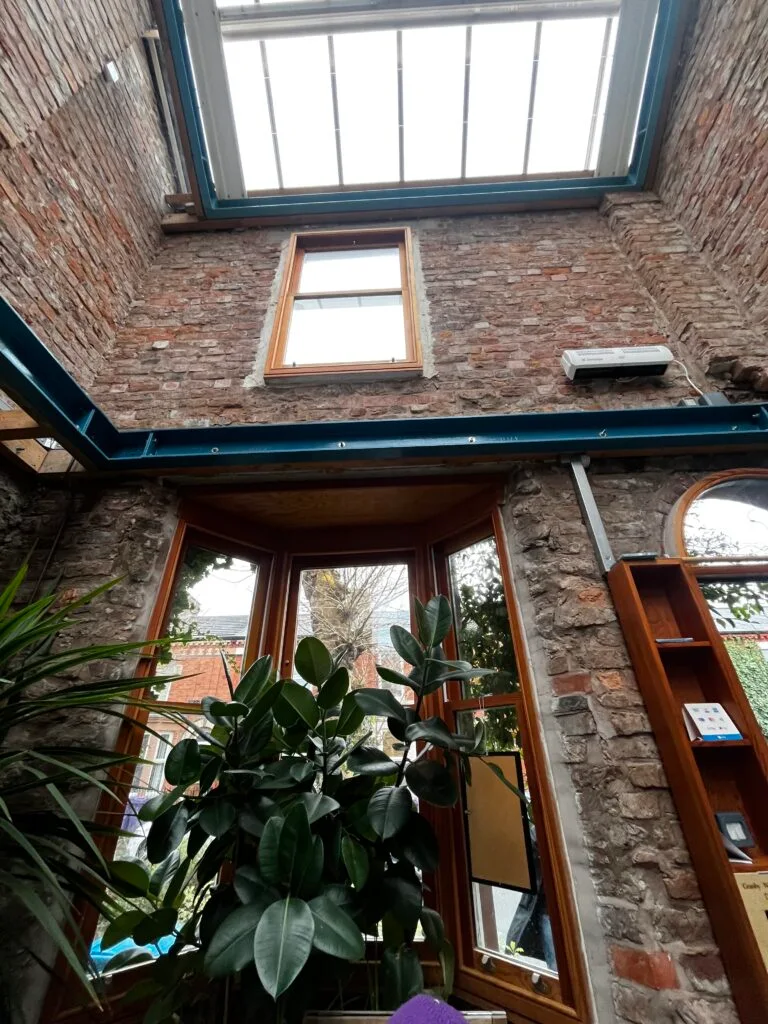
Yet neighbourhood solidarity didn’t come easy. The Granby Residents Association had to fight hard during the 1990s taking direct action against demolition to save the street from gentrification and regeneration led by developers. I was awed by Eleanor and Hazel’s unwavering fearlessness. When communities are conditioned to believe that to be deserving vulnerability must be emphasised over agency and anger or confrontation must be avoided – they are framed as passive recipients of development, rewarding narratives of resilience rather than resistance. When citizens are allowed to dissent and disagree, productive conversations about change emerge. Maria Kaika likens urban agendas which seek to create resilient communities rather than paying to the systems which produce the need for resilience to immunology.
“As alternative practices and methods proliferate across the world, as people refuse to take up pre-prescribed development practices or pre-determined immunological protocols, this is a mature and opportune moment to pay attention to socio-environmental innovations and methods forged not out of social consensus, but out of social dissensus”
In the face of multiple housing crises, Kaika continues with a call by Tracie Washington: ‘Don’t call me resilient’:
“Every time you say, ‘Oh, they’re resilient’, it actually means you can do something else, something new to my community. We were not born to be resilient; we are conditioned to be resilient. I don’t want to be resilient. I want to fix the things that create the need for us to be resilient in the first place.”
– Tracie Washington
Alongside Kitty’s Launderette, and Homebaked CLT – what Granby 4 Streets demonstrates is that communities are agents of their own change, not passive recipients of development.
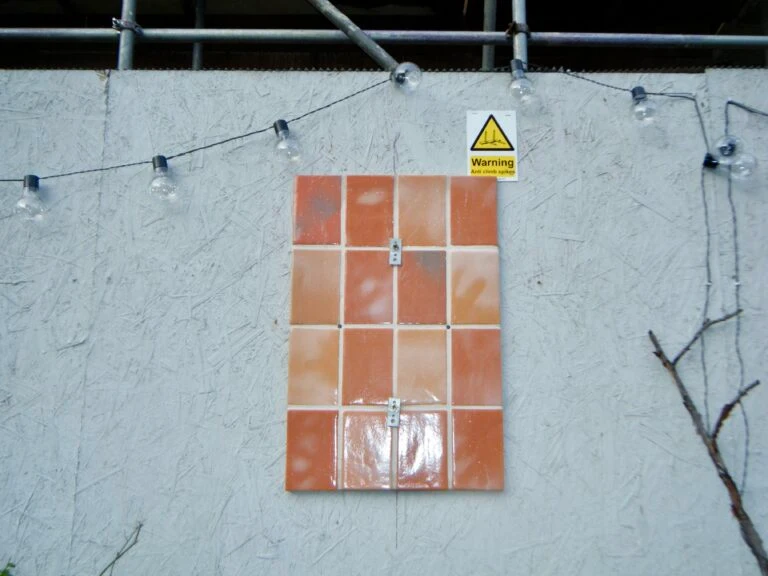
RESISTANCE NOT RESILIENCE AT GRANBY 4 STREETS
Bringing the strands across the three stories together, it is evident that retrofit is not just a story of learning to control energy through our built environment. Our built environment is created, repaired, and stewarded by networks of people with a shared goal to live well within our neighbourhoods. Where these stories of community have been ruptured, and buildings left to crumble, we should be reminded of our latent potential to breathe life back in to our neighbourhoods. At our best we can respond collectively and creatively. In these blogs. we’ve already seen the bold and imaginative work being undertaken by communities here in Liverpool.
All three stories held a deep connection to the past in common, from the public wash houses to a century old bakery, or grassroots social movements dating from the late 20th century. Familiarly, by drawing upon these place-based stories they show that ‘another world is possible,’ despite constant messaging that all alternatives are infernal. Staying with the Trouble, being unfaithful to the world at hand, and not being afraid to ask for better is a quality of community-led retrofit that should be protected and sustained – and one that is indispensable to the story. And the best news is, they’re not the only ones.
Find out more about our Retrofit Connect programme here.
SOURCES, MEDIA & READING
- Granby 4 Streets. History of the Four Streets.
- Kaika, M. (2017). ‘Don’t call me resilient again!’: the New Urban Agenda as immunology … or … what happens when communities refuse to be vaccinated with ‘smart cities’ and indicators. Environment & Urbanization, 29(1), 89-102.
- Haraway, D. Staying with the Trouble: Making Kin in the Cthtulucene.

